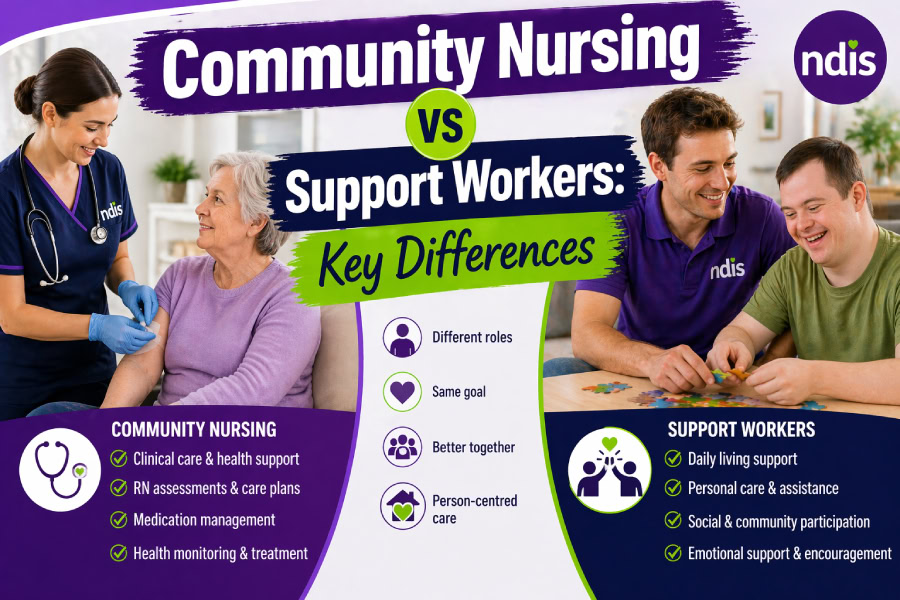
This question comes up a lot. What is the actual difference between a community nurse and a support worker? They are both healthcare-adjacent roles. They both come to your home. They both help with your care. But the scope of what each can legally and safely do is quite different, and knowing the difference saves you a lot of confusion when setting up your NDIS supports.
Table of Contents
ToggleSupport Workers: What They Do
Support workers provide non-clinical support. Think of it as hands-on help with daily life. They help with:
- Personal care (daily personal activities): showering, dressing, toileting, hygiene
- Household tasks: cleaning, cooking, laundry
- Transport and community access
- Medication prompts (reminding you, handing you a Webster pack)
Community Nurses: What They Do
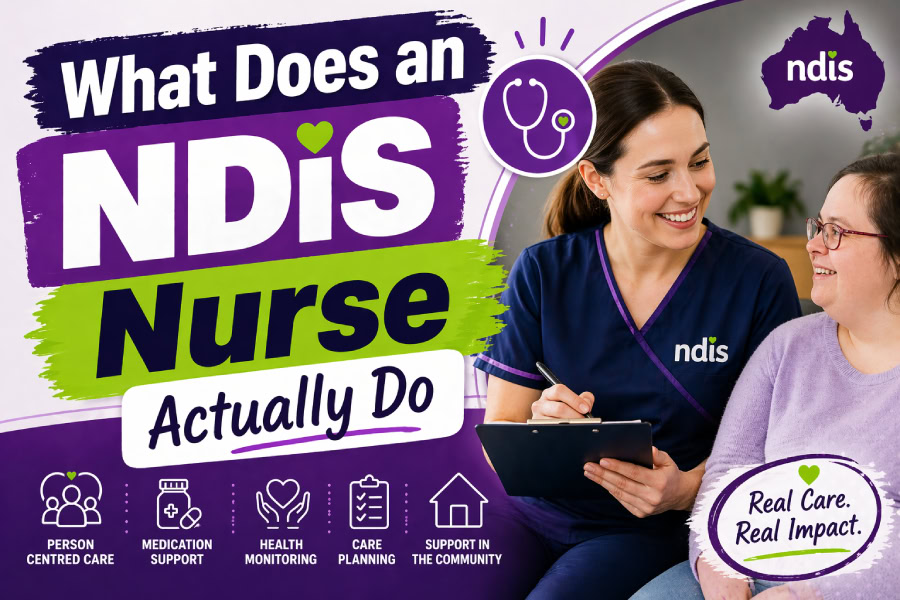
Community nurses are clinical professionals. Registered with AHPRA. They handle medical procedures that require nursing qualifications:
- Wound care including complex dressings and pressure injuries
- Catheter management (insertion, changes, washouts)
- PEG feed tube management
- Stoma care
- Injections (subcutaneous, including insulin)
- Medication administration (not just prompts)
- Clinical assessments and observations
- Chronic disease monitoring
The Hard Line
The legal line is about who can do what. Support workers cannot perform clinical procedures. They cannot change a catheter, re-dress a complex wound, give an injection, or manage a PEG feed. Even if a support worker has done those things elsewhere informally, an agency that sends a support worker to do nursing work is breaking scope of practice rules. That puts the participant at risk and exposes the agency to serious complaints.
Community nurses can do support work (and sometimes do during a clinical visit), but generally nursing hours are more expensive and you would not use nursing rates for personal care tasks.
Qualification Differences
Support workers: typically Cert III or Cert IV in Individual Support, Disability, or Ageing. Plus NDIS Worker Orientation, Worker Screening Check, and first aid.
Community nurses: Bachelor of Nursing (Registered Nurse) or Diploma of Nursing (Enrolled Nurse), plus AHPRA registration and ongoing professional development.
Cost Differences
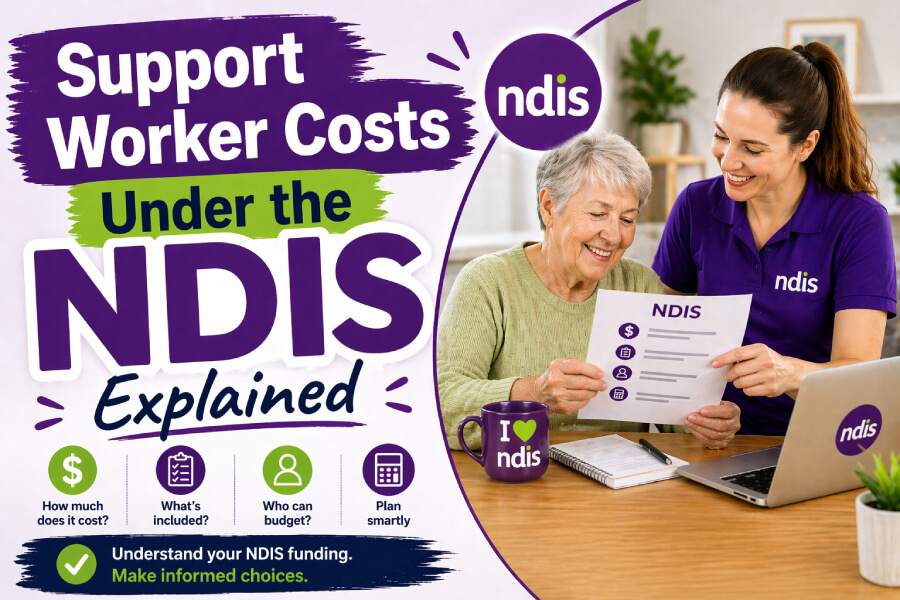
Support worker rates are significantly lower than nursing rates. A weekday support shift sits around $70/hour. A nursing visit is closer to $100-150/hour depending on complexity. Both are published in the NDIS Price Guide.
When You Need Both
Many participants need both. A 68-year-old with MS might have a support worker in daily for showering, meals, and community access, and a community nurse twice a week for medication oversight and pressure care review. Having both from one provider (like Humility) keeps the care plan coherent.
How to Know Which You Need
If the task is clinical (wound, catheter, injection, PEG, stoma), you need a nurse.
If the task is daily life (care, housework, transport, community), you need a support worker.
If the task is medication, it depends: prompting is support work, administering is nursing.
If in doubt, talk to your GP or the provider. They will tell you which role is appropriate.
Getting Both in One Provider
Call +61 415 868 405 or contact Humility Support Services. See our Community Nursing Brisbane and NDIS Support Workers Brisbane pages. Related reading: what does an NDIS nurse actually do and who needs NDIS community nursing in Brisbane.