Community nursing gets less attention than support work in the NDIS space, but it is one of the most important services for participants with clinical or chronic health needs. If you are wondering whether community nursing applies to your situation, here is a practical guide.
Table of Contents
ToggleWhat Community Nursing Is
Community nursing is registered-nurse-delivered healthcare in your home. It is different to support work because only a registered nurse can perform certain procedures: wound dressings beyond a basic bandaid, catheter insertion and changes, PEG feed tube management, subcutaneous injections, and clinical assessments. See our community nursing page for the full list.
Who Usually Needs It
Community nursing is relevant for NDIS participants with:
Chronic wounds. Pressure injuries, diabetic ulcers, venous leg ulcers, and surgical wounds that need regular dressing changes over weeks or months.
Catheters. Suprapubic or urethral catheters that need routine changes (usually every 4-12 weeks), troubleshooting when they block, or help with ongoing management.
PEG feeds. Participants who cannot eat orally and rely on PEG (percutaneous endoscopic gastrostomy) feeding tubes. Nurses handle tube care, feed setup, troubleshooting, and skin assessments.
Stomas. Colostomy, ileostomy, urostomy. Bag changes, skin care, and accessory management.
Complex medication needs. Participants on insulin, anticoagulants, or complex medication regimens that need nursing oversight.
Progressive conditions. MS, Parkinsons, motor neurone disease, and similar conditions where regular clinical review helps catch problems early.
Post-surgical care. After hospital discharge, nursing visits can manage wound care and recovery at home.
What Community Nursing Is Not
It is not regular GP care. You still need a GP for diagnosis, prescriptions, and primary care. Community nurses work alongside your GP, not instead of them.
It is not specialist care. Specialists still see you in clinic.
It is not personal care. Showering, dressing, and toileting are support worker tasks. A community nurse might assist with these during a clinical visit, but they are not what you engage a nurse for.
Who Funds It
Several pathways fund community nursing:
- NDIS — under your plan, with specific line items for nursing
- DVA — Gold Card holders qualify for community nursing at no cost through the DVA community nursing program; see our DVA community nursing page
- Home Care Packages or Support at Home — for participants over 65 in the aged care system
- Private-pay — if none of the above apply
How to Know If You Qualify
If you are an NDIS participant with any of the clinical needs listed above, and your plan includes Capacity Building – Improved Daily Living or Core – Improved Health and Wellbeing line items, you likely qualify. Ask your support coordinator, plan manager, or call a nursing provider directly for a no-obligation assessment.
Community Nursing in Brisbane
We cover most of Greater Brisbane from our Pallara base, with the full service list on our Community Nursing Brisbane page. Dedicated suburb pages include Community Nursing Forest Lake, Community Nursing Logan, and Community Nursing Ipswich.
Next Steps
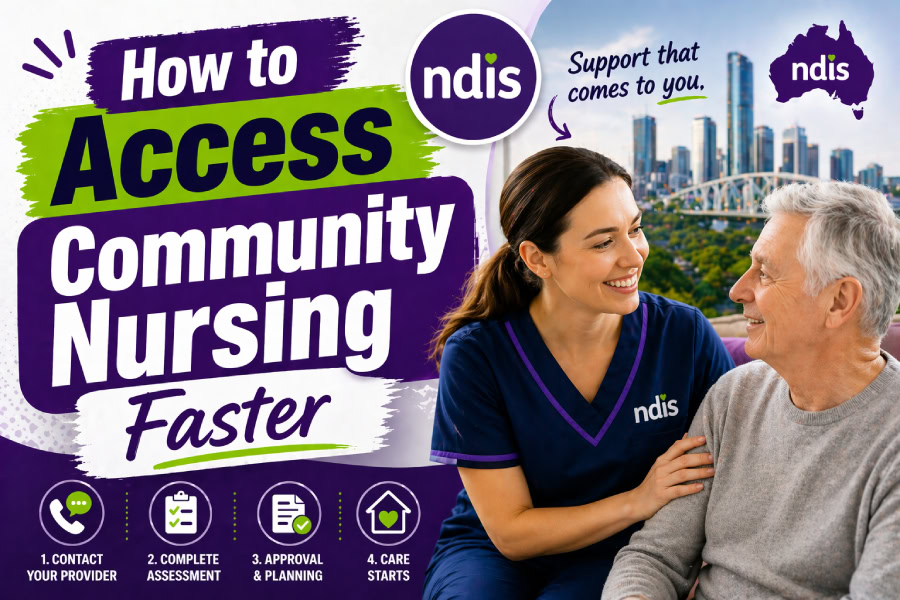
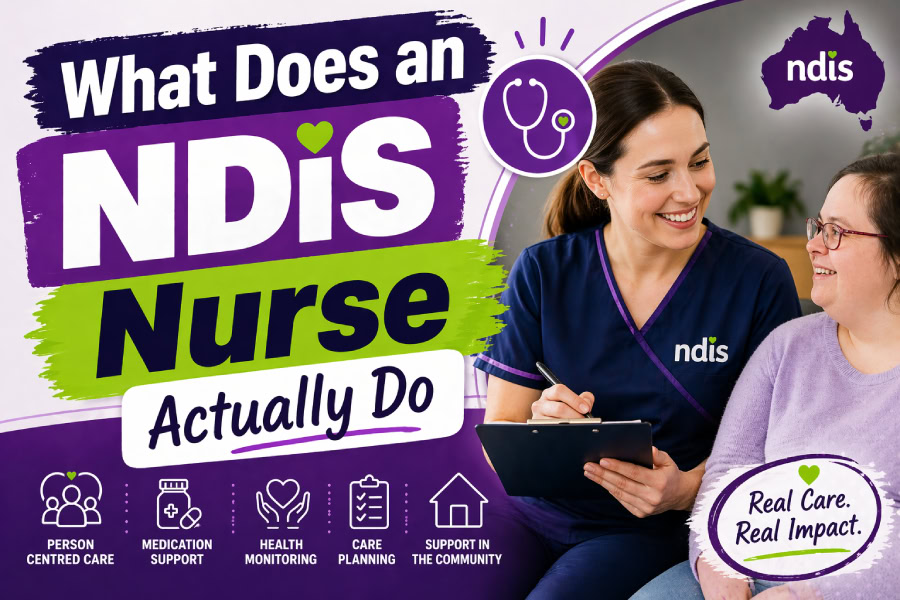
Call +61 415 868 405 or contact Humility Support Services. Related reading: what does an NDIS nurse actually do, how to access community nursing faster, and community nursing vs support workers.